



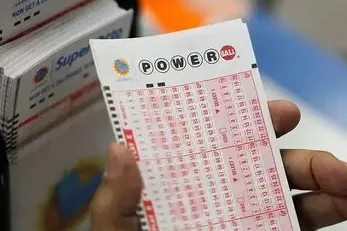
A lucky Powerball player made headlines after winning the most recent Powerball jackpot, turning an ordinary ticket into a life-changing prize. Stories like this capture the attention of people across the country and remind them why so many take a chance on the lottery.
On Christmas Eve, this lucky contestant decided to buy a Powerball ticket at a gas station in Arkansas and ended up winning the biggest Powerball jackpot in history. The winner won $1.82 billion and was named the biggest Powerball jackpot winner ever.
The winner chose to receive the prize as a lump-sum, a one-time cash payment. Before tax

withholdings, the lump-sum amount was $834.9 million.
Powerball tickets are easy to buy and relatively cheap. Each ticket costs $2, which is one reason many people decide to play. Some people buy a ticket once in a while, such as when the jackpot gets really big, while others buy tickets every week. For the regular person, buying a Powerball ticket is usually more about having fun and dreaming big than expecting to win.
Even though millions of people play, winning the jackpot is extremely rare. Powerball drawings happen three times a week, but the odds of winning the top prize are about 1 in 292 million. This means it is very unlikely that any single ticket will win. While smaller prizes are won more often, jackpot winners are very rare and not often, which is why they often make national news.
The lottery is popular all across the United States. Millions of people participate in Powerball, especially when the jackpot reaches hundreds of millions or even billions of dollars. The excitement grows as more people imagine what they would do if they won, from buying a new house, a new boat, or even a new car.
When someone does win the jackpot, they must choose how to receive their money. Winners can take a lump-sum payment, which was $839.4 million and is paid all at once, or an annuity, which pays the full jackpot over 30 years in yearly payments. Many winners choose the lump sum so they can have the money right away.
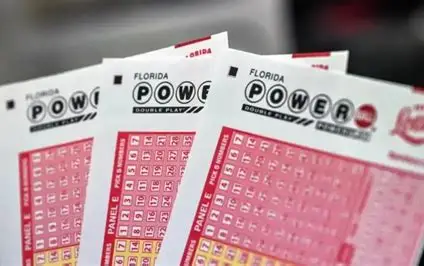
However, the winner does not get to keep the entire amount shown on the ticket. Taxes take a large portion of lottery winnings. About 24 percent is taken out right away for federal taxes, and the total tax amount can reach around 35–40 percent. Some states also take extra taxes. Because of this, winners often receive only about 60 percent or less of the original jackpot.
Even with taxes and low odds, the Powerball continues to give people hope. For one recent winner, a $2 ticket changed their life forever, proving that sometimes, dreams really do come true.


