




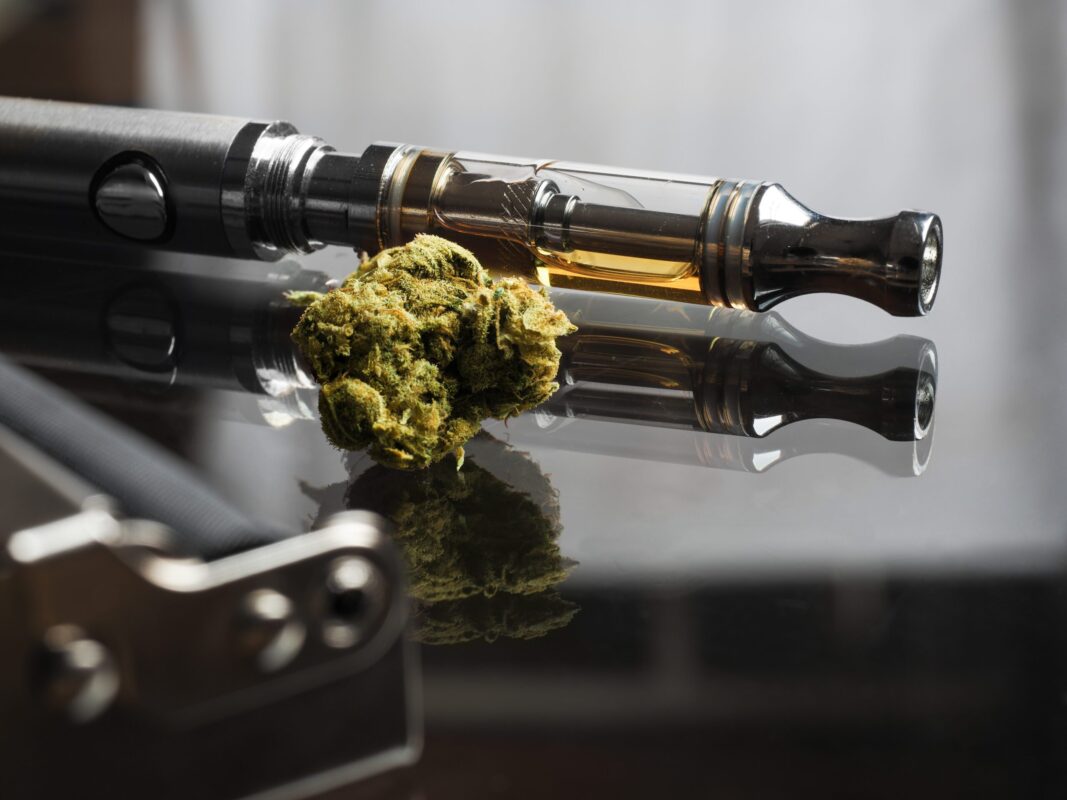
Addiction is a powerful thing. When people talk about addiction they tend to talk about alcohol, opioids, and nicotine. However, one addiction that is not talked about as much as it should is marijuana or “weed,” and in particular disposable distillate vape-pens.
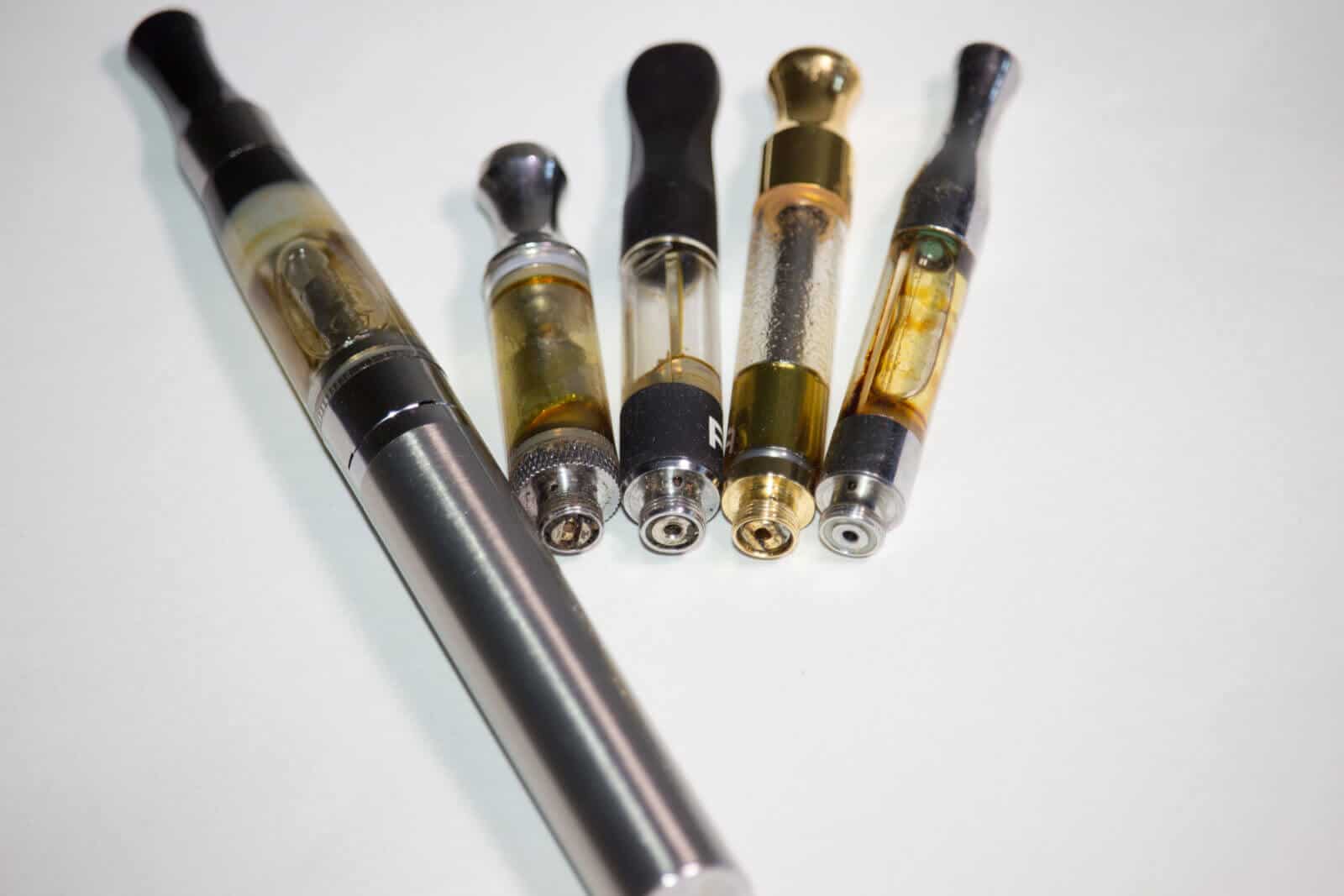
With society becoming more and more advanced, getting high has never been easier. People can hit a pen discreetly, without smell, or a visual effect on their body. This has led to an immense problem for people across America specifically, teenagers. From the easy access to discrete usage, we live in a world full of “walking zombies” and people have no idea.
(drugfree.org)
By writing this article I want to bring this mass epidemic to light. I have taken the time to do anonymous interviews with a collection of students from schools across the Cincinnati area who live this life, or have lived it in the past. By talking about this problem from the pov of an addict, I hope to give a look into the lives of people who live through the battles of addiction everyday.
I want to show on a deeper level what these people live through, what caused them to start, why they continue, and hopefully help bring a source of hope and eventual recovery for them and many more across the country.
Firstly, what is weed and why do so many young Americans turn to it despite the known effect that it ruins lives?
Weed, marijuana, and cannabis usually tend to be grouped as one thing; however, they are different in a few distinct ways.
Cannabis refers to all products that come from the cannabis sativa plant. It includes its dried flowers, leaves, stems, and seeds. Cannabidiol (CBD), being the most well known and commonly used form of cannabis.
Marijuana is made up of parts of the cannabis sativa plant that contain substantial amounts of tetrahydrocannabinol (THC), this is the chemical that causes you to feel “high”, all marijuana is cannabis, but not all cannabis is marijuana.
Weed is a slang term for both CBD & THC, but usually refers to products with high levels of THC.
Over 1.6 million individuals between the ages of 12 and 17 (6.5 %) of the U.S. adolescent population, and 7.6 million individuals between the ages of 18 and 25 (22.5%) of the U.S. young adult population reported current use of cannabis (SAMHSA, 2018).
One of the main reasons weed usage is high in younger people is because of the stigma that weed is not dangerous and there aren’t any long-term negative side effects like addiction.
A student I interviewed said, “When I think of weed I don’t think of it as a drug. It’s just something I do every day, it makes me feel normal, it’s almost like eating food, it’s just something I need to function.” It is labeled as a “safe” drug by most of society, and access to it has never been easier.
Weed doesn’t get the attention it deserves. Alcohol and nicotine get all the hype in today’s world. I believe this is because when you abuse weed it really doesn’t show on the outside like other addictions. It’s much easier to get away with being high all day than if you are drunk or constantly needing to use the bathroom to vape.
(Addictioncenter.com)
The interviews I have done have proven this idea to me. Weed affects you more psychologically than it does outwardly on your body. I asked a kid why he chooses to use weed over other drugs and he told me, “I do it so much because there is no way to tell I do it, there are no consequences, it doesn’t show on my face, I can walk just fine, I don’t smell, the only negative is my eyes but i just say I’m tired.” Another student told me, “I’m high all day and nobody has a F-ing clue.” These words highlight the fact that this epidemic has grown way out of hand; for most it’s a way to get through each day.
Another reason why I believe the youth of America struggles with weed so much is the invention of social media. People are always posting their “perfect” lives causing some people to feel less about themselves especially, if they are going through a rough time. This has led to peer pressure and the drive to “fit in” is worse than ever before.
A deeper look into this idea is what two students told me. “I started because I didn’t really feel like I fit in anywhere, I wasn’t bullied or treated shitty, I just felt like no one understood.” And “Yeah, I started out of curiosity, but mostly wanting to be included, because everyone around me was doing it so why shouldn’t I?”
This proves my point of peer pressure causing weed use in teens. The social norm and acceptance of weed has become a problem for all. Kids start smoking because it’s what they think people do to fit in, showing a sad reality of the modern world.
Along with peer pressure and the drive to “fit in” sometimes people start because they want an escape from the world. They don’t see themselves as having a purpose, they just want a way to be numb, to not feel the pressures of life, “I hate myself, I don’t like who I am, a lot of things suck now yeah, but I’d rather feel a little bit of happiness then none.” this students word shows mental health plays a pivotal role in how someone thinks about themselves. Weed brings some people a means of escape from the pain they feel every day, however, this feeling of “happiness” weed brings them is not true happiness, it is a temporary fix, and it leads down a dark dark path.
People tend to assume you can’t get addicted to weed and there are no bad effects to it. However, this cannot be farther from the truth. An addiction to weed starts with a cannabis use disorder. Cannabis use disorder is a mental health condition in which someone has a problematic pattern of cannabis/marjunana use that causes them distress and or impairs their life. It is a type of substance use disorder (SUD). When people develop an SUD to weed it is usually from use of products containing THC, although there are some cases of addiction to CBD.
CUD exists on a spectrum; it can be mild, moderate, or severe. It typically involves an overpowering desire to use cannabis, increased tolerance to the cannabis, and withdrawal symptoms; it can negatively impact health, social relationships, and if severe enough can lead to THC dependency and addiction.
I was told a few examples of weed and its effect on people’s lives. “At school I used to do it and it made me lose sight of the lesson being taught and made me focus on when the next time I could hit the pen was. Even when I stopped doing it in school, the urge to go home and smack the pen right away consumed me.”
“It consumed every part of my life and drove me to solely be concerned about when, where, and how will I get my next hit.” These words are very powerful and show the demanding grip weed can have on you.
Based on the evidence I witnessed, weed has become a detrimental problem for teens in America. Kids no longer think of weed as a drug, but as a way to just get through the day. Social media pushes this fake sense of everyone’s life is perfect so peer pressure is now a factor in everyday decisions. With peer pressure being such a determining factor in our lives, teens want to fit in more than ever, resulting in weed becoming socially acceptable and an activity teens now more than ever, do for fun.
A way we could combat this epidemic is to push even more mental health support in schools. Students need to have a reliable place to vent their emotions. They should be comfortable talking about how they feel, and in most cases, this is frowned upon in today’s society. Schools need to send out the idea that opening up doesn’t make you weak or soft. A quote by Sabaa Tahir highlights this idea perfectly. “Your emotions make you human. Even the unpleasant ones have a purpose. Don’t lock them away. If you ignore them, they just get louder and angrier.”
By having a strong moral support program schools could give an escape to some teens who struggle and maybe could prevent them from turning to drugs for a sense of safety, welcoming, or escape from the pain of life.
I want to leave all the readers with a piece of advice a student gave me when I asked him if he had any words for addicts or people facing struggle. His words hit really deep in the hearts of not just addicts but all those who face peer-pressure and challenges in the harsh reality of the modern world.
“Some simple advice I’d give to others who’ve never smoked is don’t ever start, it will latch on to you and make you not want to be sober. It will manipulate your mind into thinking everything is better when you’re high. After quitting I have come to the conclusion that it’s not. Living in the present moment is the most beautiful thing, it is a very precious thing we have and we cannot not take that for granted. Be yourself, be happy to be yourself, and strive to bring happiness to others every day. This mindset will lead you in the path you want to take, not the path of acceptance to failure, and smoking away the pain.”


