1. Can Ohio High School Athletes Earn NIL Money?
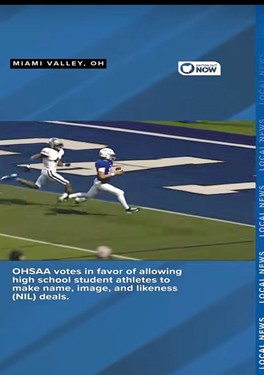
Yes. In late 2025, the Ohio High School Athletic Association (OHSAA) member schools voted to approve a bylaw allowing high school athletes to earn money from their name, image, and likeness (NIL). This means student-athletes in Ohio can now enter into certain deals and be compensated for endorsing products/services, social media content, appearances, licensing, and other personal branding opportunities.
This change makes Ohio the 45ᵗʰ state to formally permit high school NIL deals. The change was pushed by a lawsuit from a top high school athlete, and a court granted a temporary order earlier that allowed NIL activity even before the vote.
2. What Exactly Is NIL?
NIL (Name, Image, and Likeness) refers to a person’s right to be compensated for the use of:
- Their name or nickname
- Their likeness or photos/videos
- Their reputation, fame, or personal brand
This compensation can come in many forms such as endorsements, sponsored social media posts, paid appearances, personal merchandise, licensing deals, and more.
3. Key Rules & Restrictions in Ohio
The Ohio framework allows NIL deals but includes important limits to ensure compliance with high school sports amateurism and fairness:
Allowed
Athletes can enter into NIL agreements with businesses or individuals outside of their school.
Deals can include cash or payment in goods/services (e.g., gear, training).
Athletes (or their parents/guardians if minor) can negotiate and sign contracts.
Prohibited / Restricted
No pay-for-play: NIL money cannot be tied to athletic performance (like game stats or playing time).
No recruiting inducements: Deals can’t be used to influence school choice or transfers.
No use of school IP: Athletes cannot use school names, logos, mascots, uniforms, or imply school endorsement in their NIL work.
No school or booster-organized deals: schools, boosters, collectives, or school-linked parties cannot arrange deals or funnel money.
Timing limits: NIL activities can’t occur during official school/team events or while in uniform.
Reporting obligations: Athletes must report deals to OHSAA within required timeframes (often around 14-day reporting) or risk losing eligibility.
4. Eligibility & Compliance
To stay eligible for school sports while earning NIL:
- Athletes must continue to meet all general academic and eligibility requirements under OHSAA rules.
- They must follow the reporting process and comply with all restrictions on participation and endorsement claims.
- Deals tied to incentives that look like recruiting or pay-for-play can jeopardize eligibility.
5. Taxes & Practical Considerations
- Taxes: Earnings from NIL may be taxable income for the athlete (or parents if minor).
- Contracts: Since minors generally cannot sign legally binding contracts on their own, a parent/guardian usually must be involved.
- Business Advice: It’s smart to consult a tax professional and, if needed, a lawyer before signing NIL deals.
These rules are not unique to Ohio; they reflect how many other states are handling high school NIL, balancing student opportunities with concerns about fairness and competition.
6. How This Is Different from College NIL
High school NIL is not the same as college NIL (governed by the NCAA and often allowing broader opportunities). At the high school level:
- Recordkeeping and eligibility rules are stricter.
- Schools and booster involvement is more limited.
- Deals can’t affect team activities or recruiting the way college boosters might
NIL started in Ohio with the Ace Alston court case
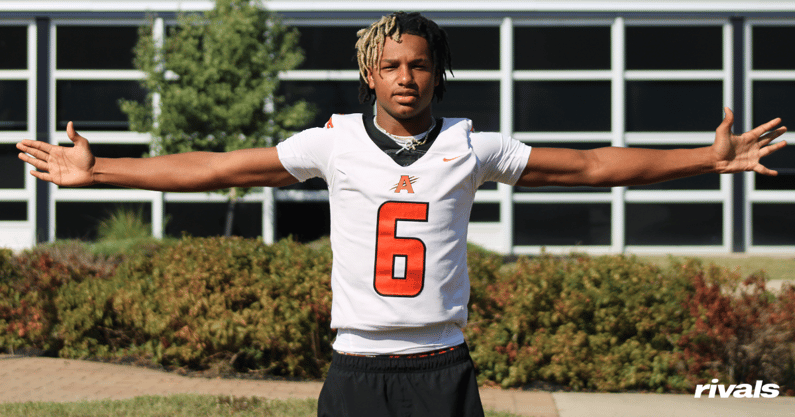 So why are Alston and NIL often tied together?
A big reason is timing. The Alston decision was released on June 21, 2021. That was only 10 days before a group of state NIL statutes were set to go into effect. Those statutes stated, in sum, that the NCAA, conferences and colleges could not impose eligibility penalties on college athletes who used their right of publicity under certain conditions.
During June 2021, the NCAA pleaded with Congress to pass legislation that would have preempted the impending state NIL statutes, create national rules for NIL and ensure NCAA control over NIL (I know this well, I testified before the U.S. Senate on that topic). Congress failed to act, and the NCAA declined to seek restraining orders and injunctions against NIL statutes before they went into effect. The larger point is that two different NCAA legal topics–antitrust law and right of publicity–were likely conflated by some because key moments in both took place around the same time.
U.S. Supreme Court Alston Ruling Was About Antitrust Law, Not NIL
Devion Edwards NIL Agreement
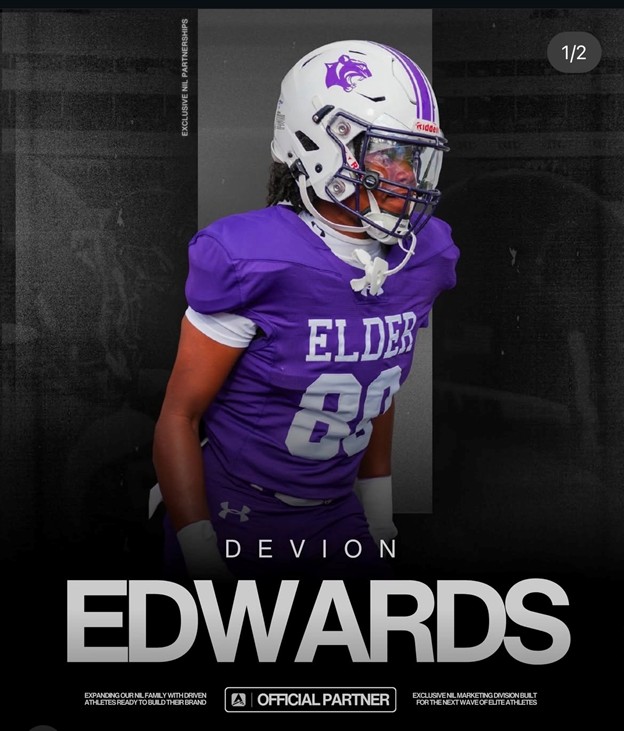
This NIL agreement highlights how student-athletes can begin building their personal brand regardless of playing time. Devion Edwards, a wide receiver from Elder, entered into a Name, Image, and Likeness deal with Athlete Brands Network that pays him 80 cents per game, even though he does not currently see game action. While the compensation is modest, the agreement represents an opportunity for Devion to learn the NIL process, establish a presence, and start developing his brand early. By focusing on branding, visibility, and long-term growth rather than immediate earnings, Devion is using NIL as a steppingstone to create future opportunities both on and off the field.
With Devion’s NIL appearance I asked him a few questions.
Why did you want to be qualified as an NIL candidate?
“I wanted to be a part of something that would help my football career…Get my name out there.”
How do you feel that you are the first ever to indulge in NIL within Elder history?
“It’s cool. But I feel like in the future, NIL will be more popular here at Elder.”
Are you doing the deal more for the money or for the increase in popularity?
“I would say more for the increase in popularity because I am only getting a little bit of money…I also want college looks.”
Is there a way you can lose this deal if you do not perform reasonably?
“I think so, but it would be very hard to do that. I really do not think I would play bad enough for that to happen.”